
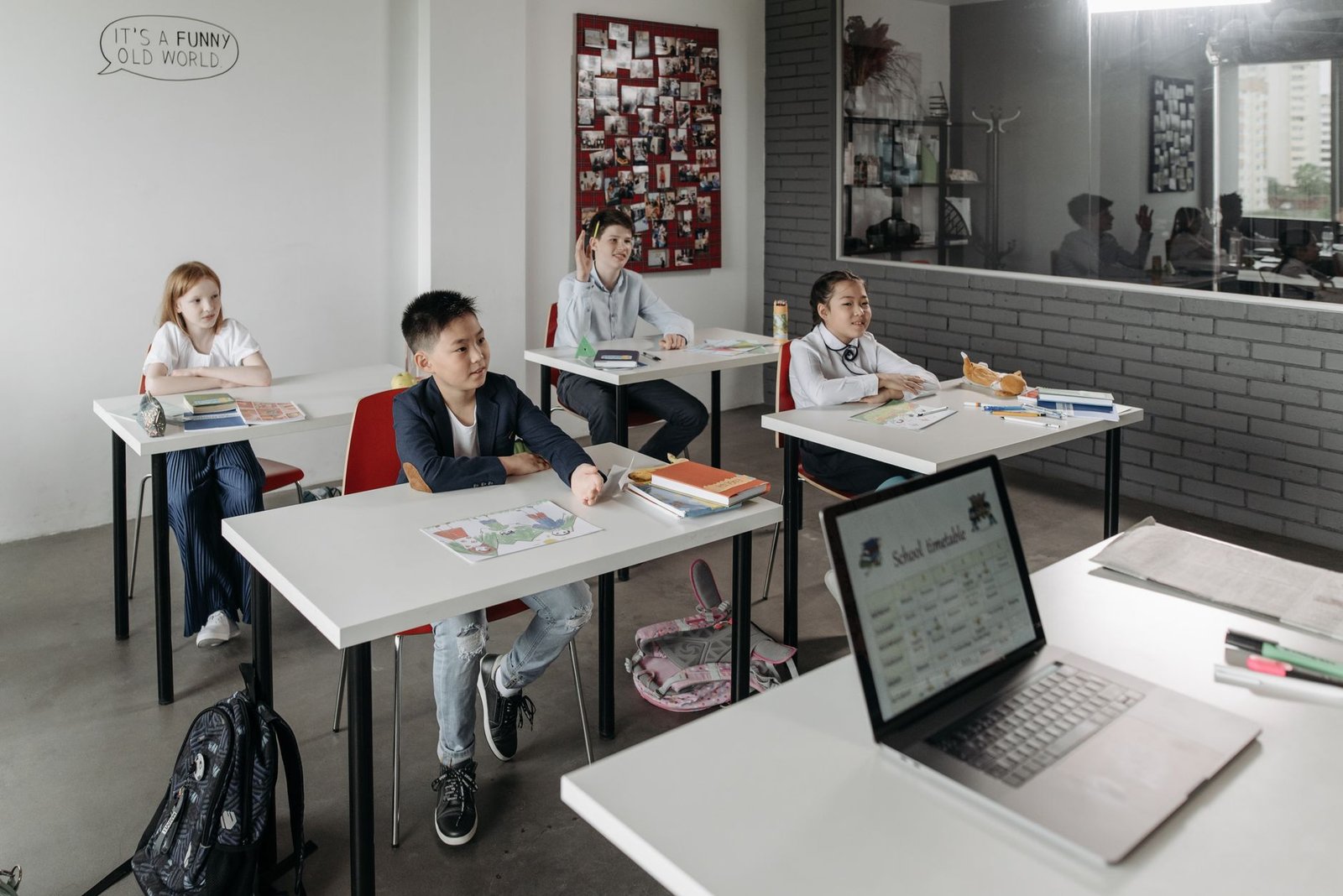
Choosing an elementary school is an important step in shaping a child’s academic, social, and personal development. During these early years, students build essential skills, discover their interests, and begin developing values that can guide them throughout life. A Catholic elementary school Palm Beach County can offer families an educational environment where academic instruction is combined with faith-based learning, moral guidance, and opportunities for personal growth. This approach supports the development of the whole child by recognizing the importance of knowledge, character, and community.
Understanding Faith-Based Elementary Education
Faith-based elementary education brings spiritual values into the everyday learning experience. Students are introduced to principles such as kindness, honesty, respect, compassion, responsibility, and service to others. These values can influence how children interact with classmates, respond to challenges, and understand their responsibilities within a community.
Catholic education also introduces age-appropriate religious instruction, prayer, and opportunities to learn about the Catholic faith. Through classroom discussions and school activities, children can begin understanding the importance of faith in daily life.
For families who want religious values to be part of their children’s education, this environment can provide consistency between school learning and the principles encouraged at home.
Building Strong Academic Foundations
Elementary education establishes the knowledge and skills students need for future learning. Reading, writing, mathematics, science, and other core subjects help children develop essential abilities and become more confident learners.
A supportive classroom encourages curiosity and active participation. Students benefit from lessons that include explanations, discussions, practical activities, and opportunities to ask questions. These experiences help them understand concepts instead of simply memorizing information.
Teachers also play an important role in recognizing individual learning needs. Constructive feedback and appropriate guidance can help students overcome difficulties, strengthen their abilities, and develop positive study habits.
Developing Character Through Everyday Experiences
Character development is an important part of a well-rounded education. Children learn valuable lessons through classroom responsibilities, group activities, friendships, and interactions with educators.
Faith-based schools can reinforce values such as patience, forgiveness, fairness, and consideration for others. These principles become meaningful when students have opportunities to practice them in everyday situations.
Learning to share, listen, cooperate, and resolve disagreements respectfully can help children develop healthy relationships. Such experiences also encourage emotional maturity and a stronger sense of responsibility.
Encouraging Creativity and Personal Interests
Children benefit from opportunities to explore interests beyond traditional academic subjects. Creative and extracurricular activities can help them discover talents, develop confidence, and learn new skills.
Depending on the school’s offerings, students may participate in music, art, physical education, athletics, group projects, and community activities. These experiences encourage imagination, teamwork, communication, and perseverance.
A balanced educational environment recognizes that each child has different strengths. Providing varied learning opportunities allows students to develop their abilities while enjoying a more engaging school experience.
The Importance of Teachers and Family Involvement
Teachers influence both academic progress and personal development. Their guidance helps children understand new subjects, build confidence, and develop a positive attitude toward learning. In a faith-based setting, educators may also help students connect classroom experiences with values such as respect, compassion, and service.
Family involvement is equally important. Communication between parents and teachers helps everyone understand a child’s progress, strengths, and areas where additional support may be useful.
Regular updates, parent meetings, and school activities can encourage families to remain active participants in the educational journey.
Choosing the Right Catholic Elementary School
Families exploring Catholic elementary education in Palm Beach County should consider curriculum quality, religious instruction, classroom environment, student support, extracurricular opportunities, and communication practices.
Visiting a campus and speaking with school representatives can provide a clearer understanding of daily routines and educational expectations. Parents should also ask about admissions, tuition, available assistance, and the school’s approach to supporting different learning needs.
Supporting a Strong Foundation for the Future
A meaningful elementary education combines academic knowledge with character development and positive relationships. Catholic education offers families an approach that brings faith, learning, and community values together.
By evaluating the educational environment carefully, parents can choose a school that encourages children to grow academically, develop strong values, and approach future opportunities with confidence.
Quick Summary
- Catholic elementary schools in Palm Beach County provide an educational environment that integrates academic instruction with faith-based learning and moral guidance.
- Faith-based education instills values such as kindness, honesty, respect, and responsibility, shaping how children interact with others and understand their roles in the community.
- Elementary education focuses on core subjects like reading, writing, and mathematics, helping children develop essential skills and confidence as learners.
- Character development occurs through everyday experiences in the classroom, reinforcing values like patience, fairness, and cooperation among students.
- Creative and extracurricular activities in schools allow children to explore their interests, discover talents, and learn valuable skills in a balanced educational environment.
- Family involvement and effective communication between parents and teachers play a crucial role in supporting a child’s progress and overall educational journey.